
Kwanzaa runs for seven days, from December 26 to January 1, and each day celebrates one of seven principles. That makes it one of the easiest holidays to build crafts around. Every day’s already got its own idea. Whether your family celebrates Kwanzaa or your class is learning about it for the first time, these crafts help kids understand what each symbol and principle actually means, not just what it looks like.
So here are 12 Kwanzaa crafts for kids, each one matched to a symbol or a principle. There’s a free printable pack too, with a paper kinara and seven candles, mkeka weaving strips, principle cards and a “Habari gani?” chart for the week.
A Quick Guide to Kwanzaa for Kids
Kwanzaa was created in 1966 by Dr. Maulana Karenga as a celebration of African American family, community and culture. Its colors are black, red and green: black for the people, red for their struggle and green for the future and hope that come from it.
Each day, families greet each other with “Habari gani?”, which means “What’s the news?” in Swahili. The answer is the principle of the day. These are the seven principles, called the Nguzo Saba:
| Day | Principle | Meaning |
| December 26 | Umoja | Unity |
| December 27 | Kujichagulia | Self-determination |
| December 28 | Ujima | Collective work and responsibility |
| December 29 | Ujamaa | Cooperative economics |
| December 30 | Nia | Purpose |
| December 31 | Kuumba | Creativity |
| January 1 | Imani | Faith |
The official Kwanzaa website also asks families not to mix Kwanzaa’s symbols with those of other holidays, so every craft here sticks to Kwanzaa’s own symbols and colors.
What’s in the Free Printable Pack
| Printable | What it’s for |
| Paper kinara | A kinara with seven candles and seven flames to add, one each night |
| Mkeka weaving strips | Black, red and green strips plus a base sheet for weaving a paper mat |
| Principle cards | Seven cards, one per principle, with the Swahili word, its meaning and a kid-sized idea |
| Habari gani chart | A daily chart to fill in with the principle of the day |
| Muhindi template | An ear of corn to color and cut, one for each child |
| Mazao coloring page | A basket of fruit and vegetables to color |
| Zawadi tags | Gift tags for handmade gifts |
Crafts for the Seven Symbols
1. A Paper Kinara
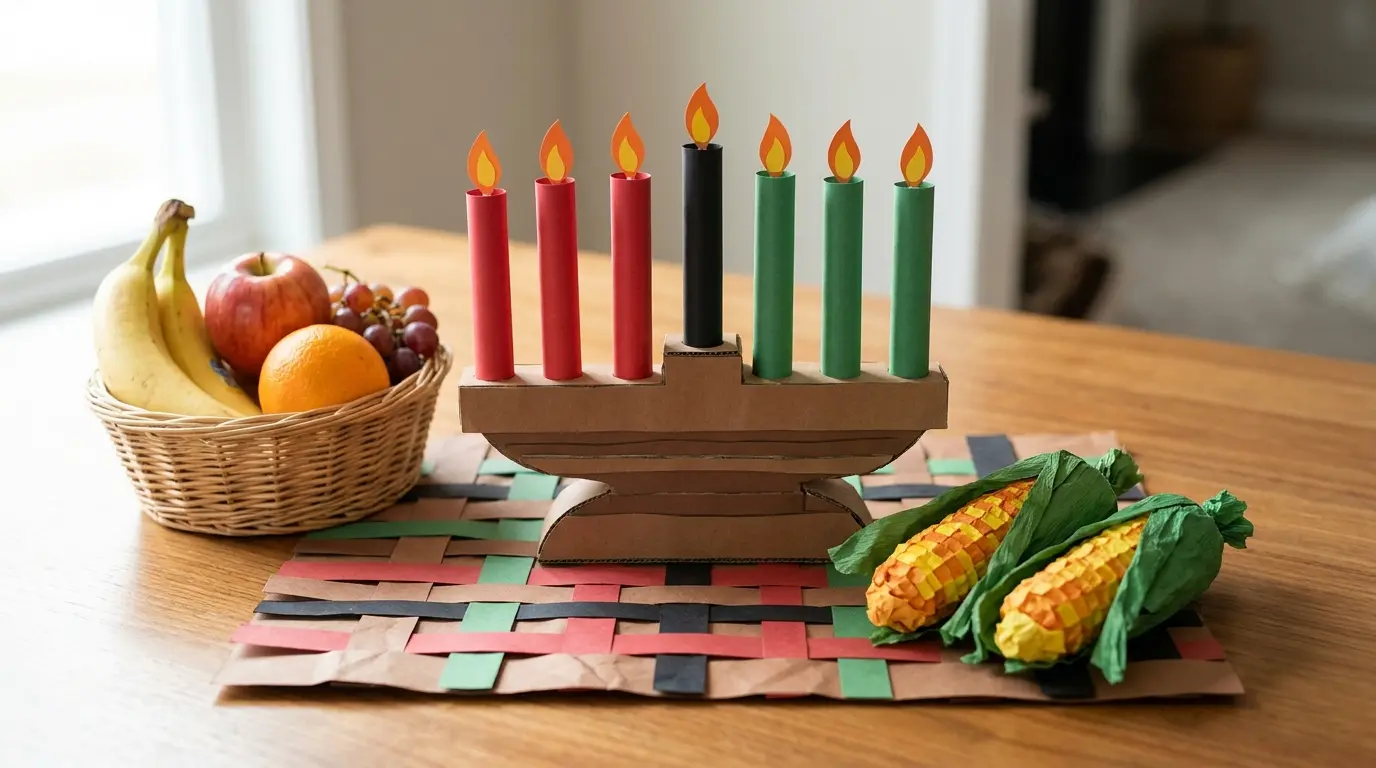
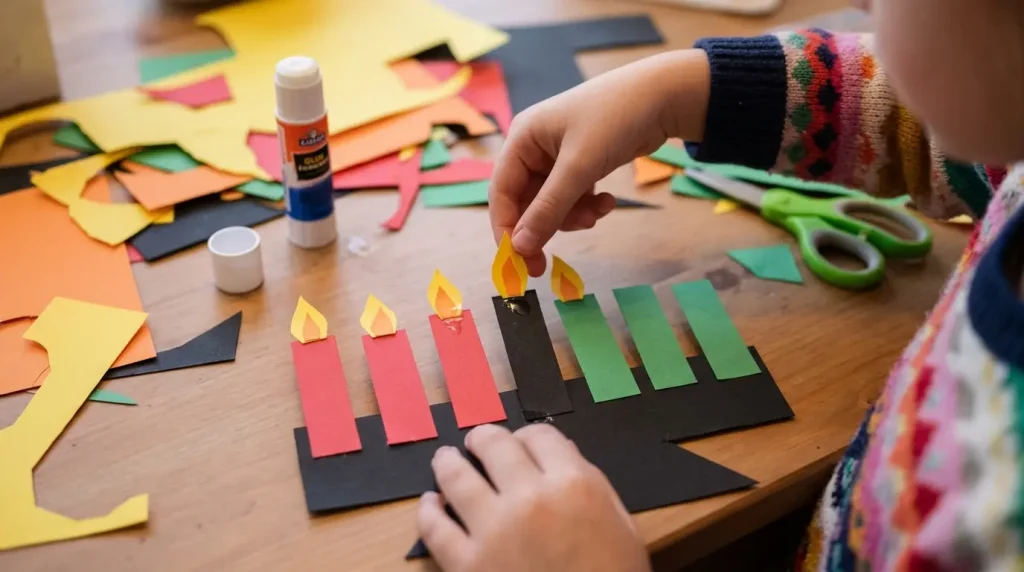
The kinara is the candle holder, and it stands for roots: the continental African peoples Kwanzaa honors. Print our kinara and its seven candles: one black candle in the middle, three red candles to the left and three green candles to the right. Each evening, kids glue on one paper flame. The black candle comes first, on December 26, and the red and green candles follow the order of the principles. By January 1, all seven are lit. No matches needed, and there’s nothing hot anywhere near small hands, which is a relief when the youngest crafter at your table is still learning that glue sticks aren’t a snack.
2. A Woven Mkeka
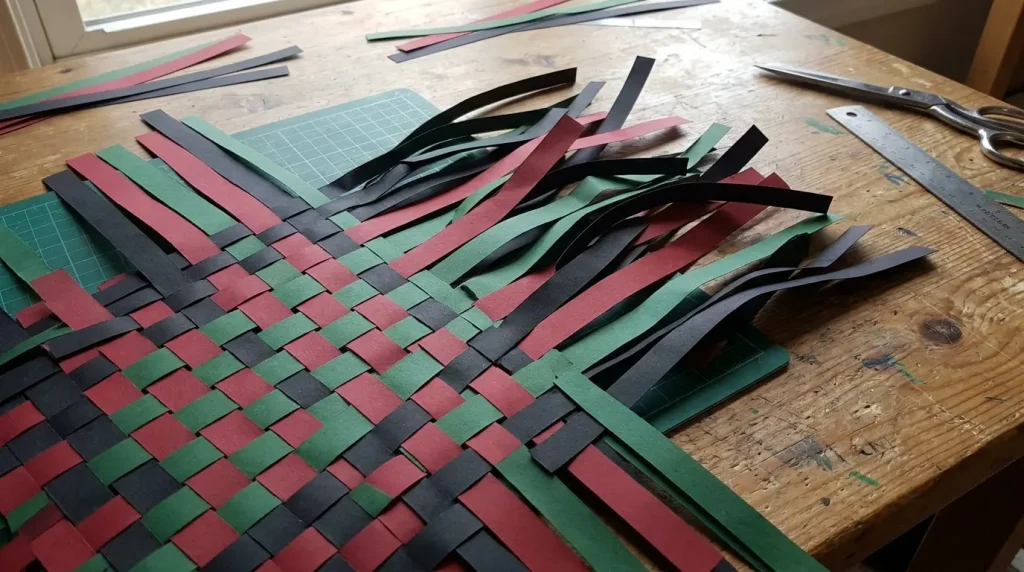
The mkeka is a mat, and it stands for tradition and history, the foundation everything else rests on. Kids weave our black, red and green paper strips through the slotted base sheet to make their own mat. It’s great fine motor practice, though the first row’s always the trickiest, so don’t worry if it takes a couple of tries before the over-under pattern clicks. Finished mats make lovely placemats for the karamu, the Kwanzaa feast on December 31.
3. Muhindi Corn
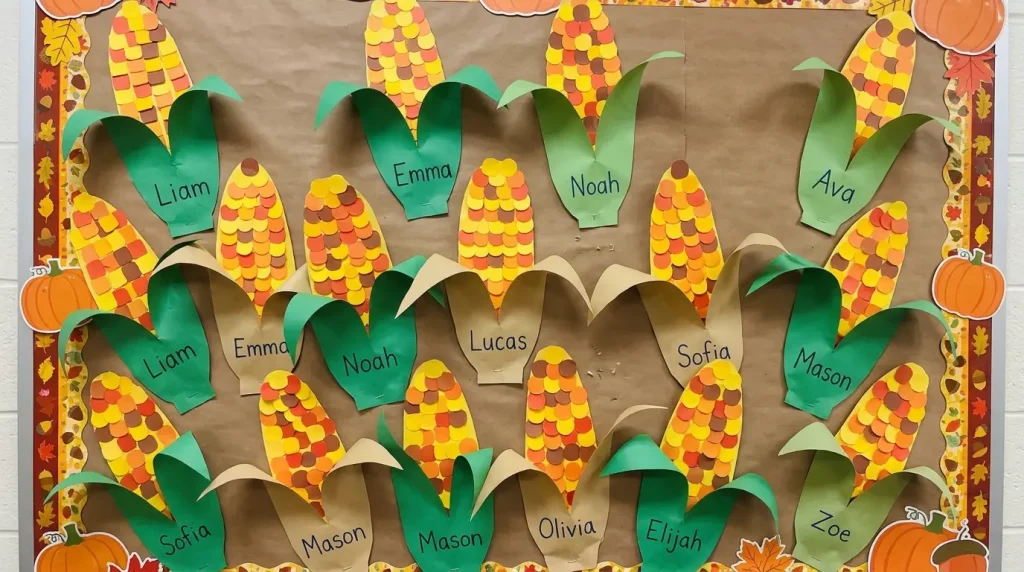
Muhindi means corn, and each ear stands for a child and the future. Many families place one ear of corn on the mkeka for each child in the home. Kids color our corn template, cut it out and add their name. Little ones love it. There’s something about seeing your own name on the table that makes a four-year-old sit up very straight.
4. A Mazao Basket
Mazao are the crops, a reminder of harvest celebrations and of what people achieve by working together. Kids color our basket of fruit and vegetables, or draw their own family’s favorite foods. You can also fill a real basket with fruit and let younger kids arrange it. They’ll rearrange it. Several times.
5. A Unity Cup
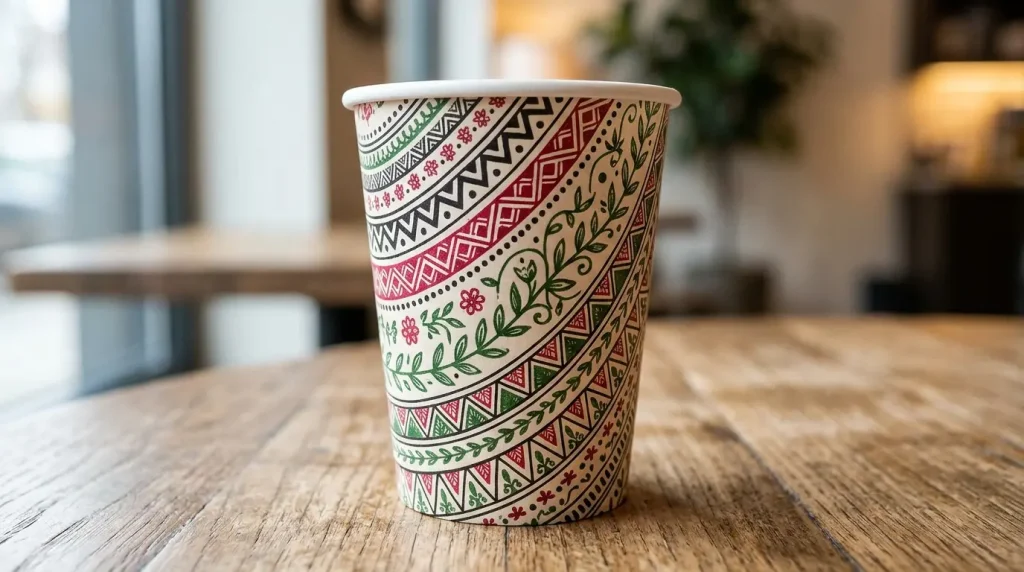
The kikombe cha umoja is the unity cup. It stands for unity, the principle that makes everything else possible. For a craft table, give kids a plain paper cup to decorate in black, red and green patterns. The family’s real unity cup stays special, and it doesn’t belong on the glitter table.
6. Handmade Zawadi
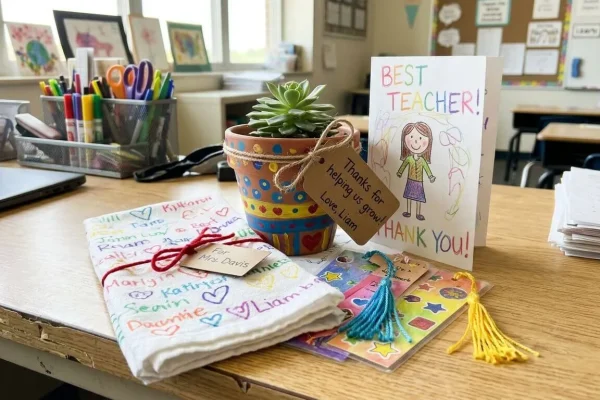
Zawadi are gifts, and they stand for the love and work of parents and the commitments children make and keep. Lots of families make them by hand, which fits Kuumba, the principle of creativity, perfectly. Kids can make bookmarks, cards or a painted pot. Finish them with our zawadi tags and they’re ready to give.
Crafts for the Seven Principles
7. Umoja Paper Chain
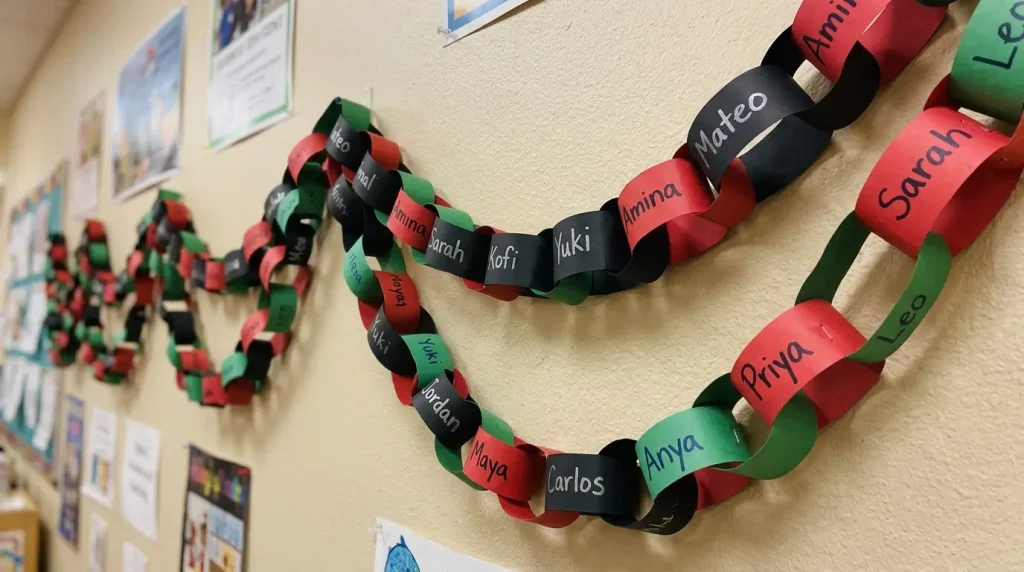
For Umoja, unity, have everyone in the family or class write their name on a strip of paper. Link them all into one long chain. It shows how many people become one. That’s exactly the idea, and kids get it straight away.
8. Kujichagulia Self-Portrait
Kujichagulia means self-determination, defining and speaking for yourself. Ask kids to draw a self-portrait and write three words that describe who they are. It’s a small way to think about a big idea. The drawings are always wonderful.
9. Ujima Group Mural
Ujima is collective work and responsibility. Tape a long sheet of paper to the floor and make a mural together, with each person adding one part. Nobody owns the picture. Everyone made it. That’s the point.
10. Ujamaa Class Market
Ujamaa means cooperative economics, which sounds like a mouthful for a seven-year-old, but really it’s about building and supporting businesses together, the bakery down the street, a neighbor’s stall at the market, a friend’s lemonade stand. Kids make simple crafts, then run a pretend market where they swap them. It’s a playful way to talk about supporting each other’s work. Kids love running a shop.
11. Nia Goal Stars
Nia is purpose. Each child writes one goal for the year on a paper star and adds it to a wall or window display, where it’ll stay up, ideally, long enough for them to actually start working on it. Then talk about why the goal matters to them. You’ll learn a lot, and they’ll remember it longer than you’d think.
12. Kuumba and Imani Collage
For Kuumba, creativity, give kids scraps of black, red and green paper and let them make anything they like. On January 1, Imani (faith) asks kids to believe in their family, their teachers and themselves. Ask them to add one thing to their collage that they believe in. It doesn’t have to be big.
Using These Crafts in a Classroom
If you’re teaching about Kwanzaa rather than celebrating it, focus on the principles. They work for any group of kids. Read a picture book about Kwanzaa first. Then introduce one principle a day and pair it with one craft. Invite families who celebrate to share their own traditions if they’d like to, and let them lead, because nobody explains a holiday better than the people who’ve grown up with it.
Download the Free Kwanzaa Printables
The free PDF has the paper kinara and candles, the mkeka weaving strips, seven principle cards, a Habari gani chart, a muhindi template, a mazao coloring page and zawadi tags. It’s everything you’ll need for these Kwanzaa crafts for kids, and it prints on US Letter and A4.
More Winter Crafts and Printables
- Winter crafts for kids
- Paper snowflake template
- New Year’s Eve activities for kids
- Gifts for kids who love crafts
Frequently Asked Questions
What are easy Kwanzaa crafts for kids?
A paper kinara, a woven paper mkeka and a muhindi corn cutout are three of the easiest Kwanzaa crafts for kids. They don’t need anything more than paper, scissors and glue. A family paper chain for Umoja is quick for even the youngest children. Our free printables make all of these simple to set up.
What are the seven symbols of Kwanzaa?
The seven symbols are the mazao (crops), the mkeka (mat), the kinara (candle holder), the muhindi (corn), the kikombe cha umoja (unity cup), the mishumaa saba (seven candles) and the zawadi (gifts). Each one carries its own meaning. Our crafts cover each symbol with a simple project.
What are the Kwanzaa colors and what do they mean?
They’re black, red and green. Black stands for the people, red for their struggle and green for the future and hope that come from their struggle. You’ll see these colors on the candles, the flag and lots of Kwanzaa decorations.
How do you explain Kwanzaa to kids?
Tell them it’s a seven-day celebration of African American family, community and culture, held from December 26 to January 1. Each day celebrates one principle, like unity or creativity. Families light a candle each evening and greet each other with “Habari gani?” Pairing each day with a craft helps kids remember the principles.
Is Kwanzaa a religious holiday?
No, Kwanzaa’s a cultural holiday, not a religious one. People of any faith can celebrate it, and many families celebrate it alongside other holidays. It focuses on community, family and culture.
What is the order of the Kwanzaa candles?
The black candle sits in the middle of the kinara, with three red candles on the left and three green candles on the right. The black candle is lit first, on December 26. On each following day, one more candle is lit, following the order of the principles. Our paper kinara lets kids add one flame a night without any real fire.

Leave a Reply