

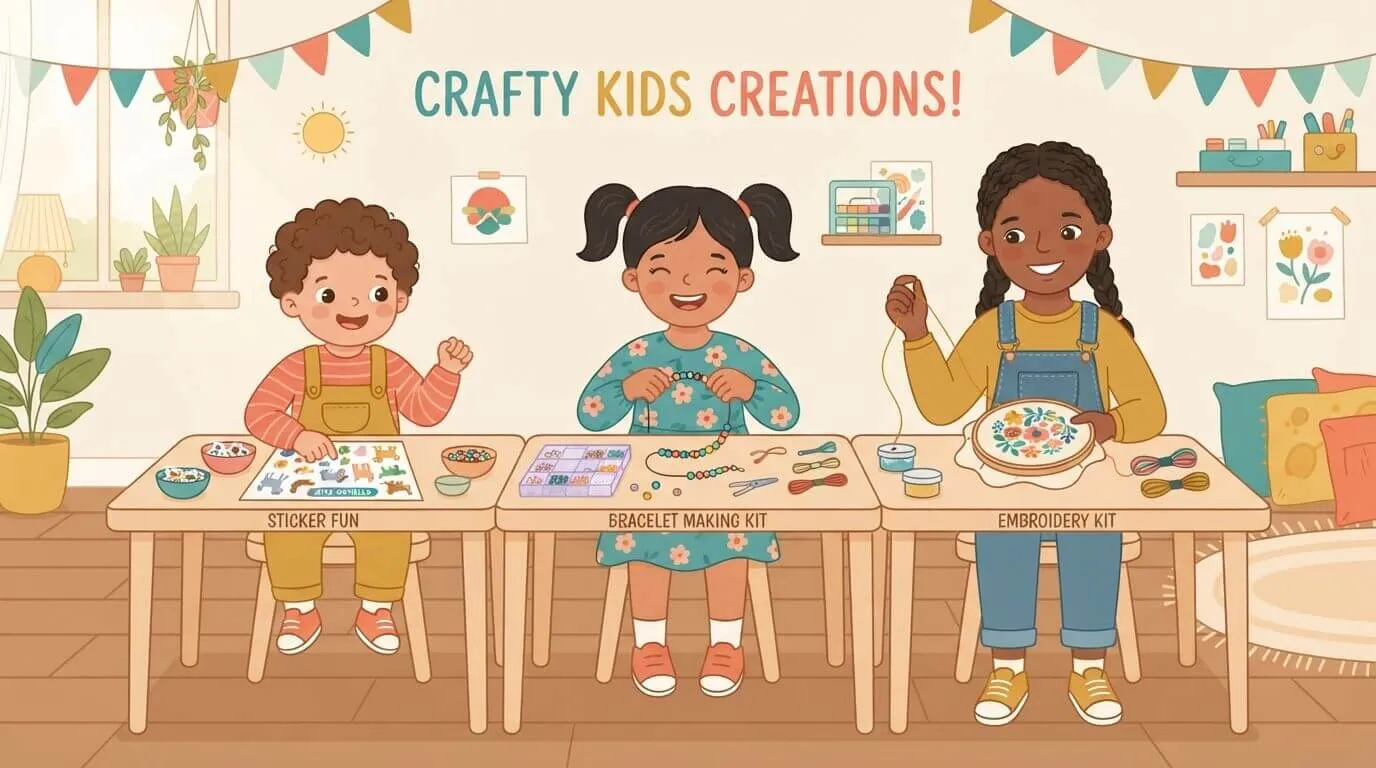
A craft kit is a brilliant gift — screen-free, keeps them busy, and they make something they’re proud of. It’s also easy to get wrong: buy one that’s too advanced and it ends in tears; too babyish and it’s abandoned by teatime. This guide to the best craft kits for kids by age skips the endless product lists and does the useful bit instead — what actually suits each stage, the honest downsides, and how to pick one that gets used more than once. 🎨
Below is a quick “how to choose” checklist, then what to look for (and good kit types) at 3–5, 6–8 and 9–12, plus whether a one-off kit or a subscription box is the smarter buy.
How to Choose a Craft Kit by Age
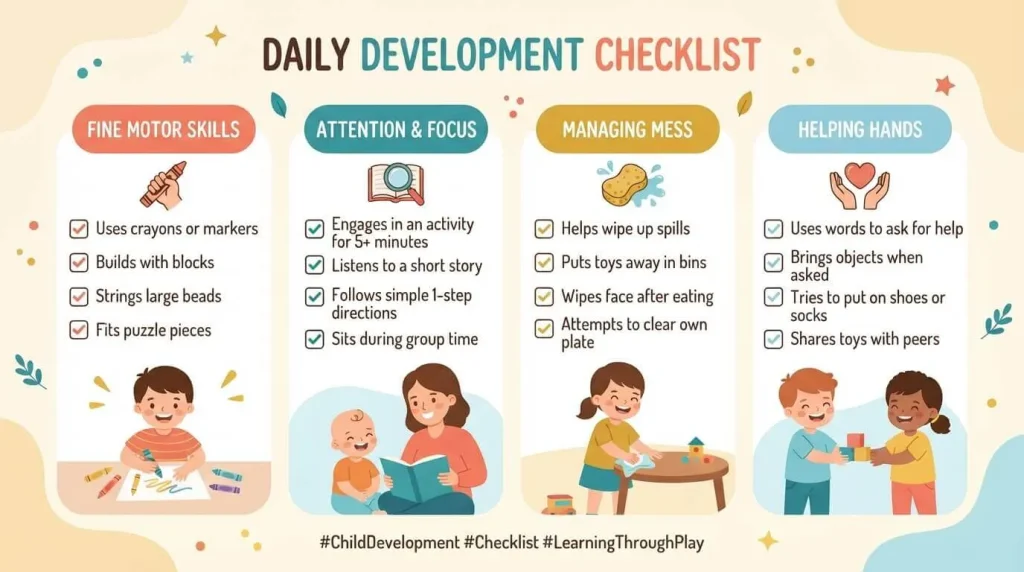
Before you buy anything, judge a kit against four things — they matter far more than the brand:
- Fine-motor stage: can they use safety scissors, thread a bead, tie a knot? Buy for what their hands can do now, not next year.
- Attention span: younger kids need quick wins; a 40-step model is a meltdown waiting to happen.
- Mess tolerance (yours): be honest about how much glitter and paint you can live with.
- How much help it needs: “kids’ kit” often means “parent assembles while child watches.” Check whether they can actually do it themselves.
Get those right and almost any kit works. Get them wrong and the fanciest kit gathers dust.
Ages 3–5: Big, Simple, Forgiving
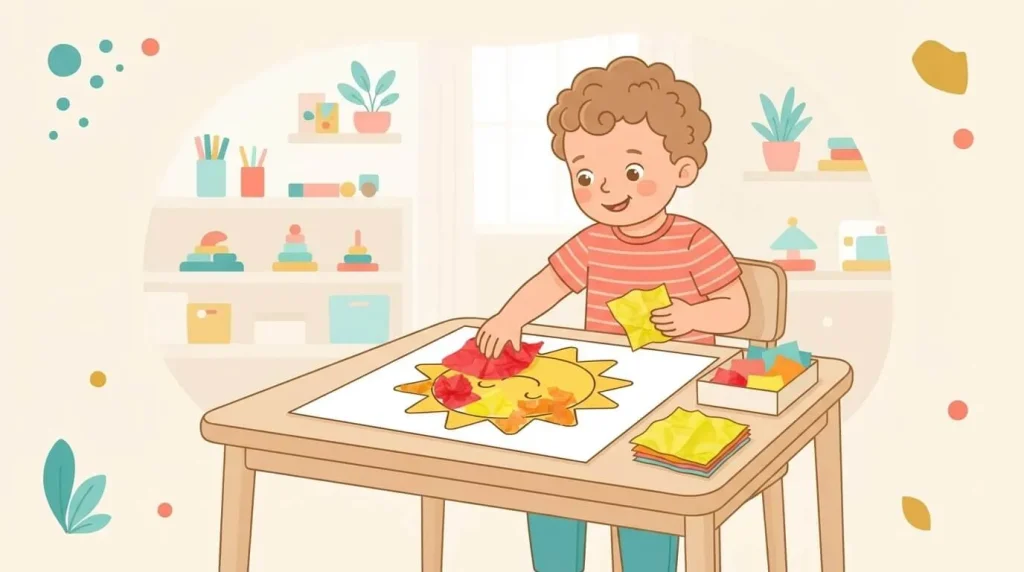
What to look for: chunky pieces, no tiny parts, peel-and-stick over glue, and projects finished in one short sitting. At this age it’s about the doing, not the result.
Great kit types: peel-and-stick tissue or foam art (no glue), dot-marker or sticker mosaic sets, pre-cut paper craft kits, washable paint sets, and “make a pom-pom creature” boxes. Anything where a wonky result still looks great.
Honest downside: many toddler kits are single-use — one project and it’s done, which stings for the price. Look for kits with several projects, or supplement with a big tub of open-ended supplies (paper, stickers, pom-poms) that lasts for months. And check the age warning — small parts are a genuine choking risk under three.
Ages 6–8: The Sweet Spot
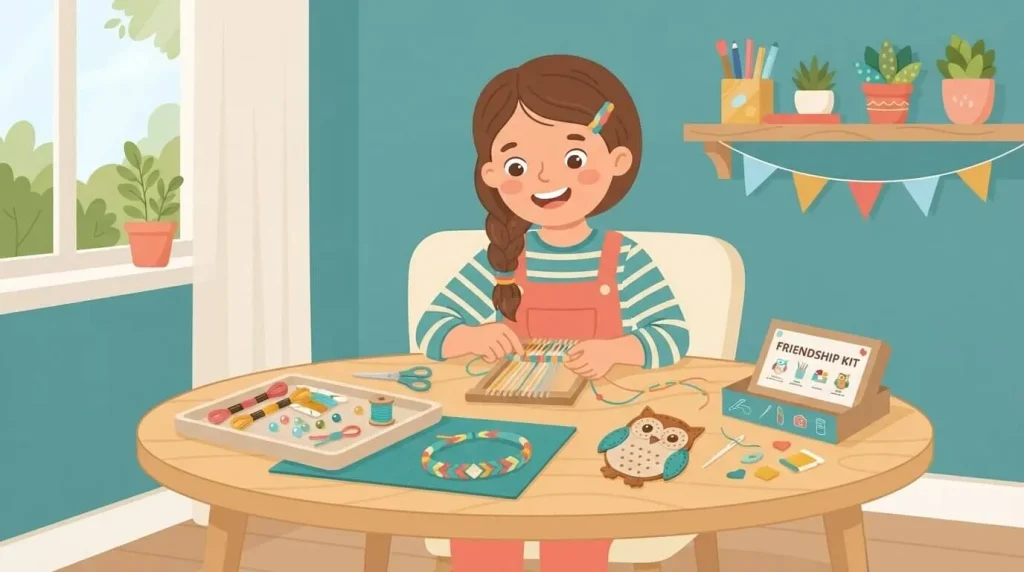
What to look for: kits they can mostly do themselves with a little setup help, real skills (basic sewing, weaving, simple jewellery, clay), and a finished thing they can keep or give.
Great kit types: friendship-bracelet and simple jewellery kits, beginner sewing or felt kits, air-dry clay sets, scratch-art, window-suncatcher kits, and paint-your-own (rocks, figurines, mugs). This age loves making a real object.
Honest downside: the instructions are often the weak point — some kits assume more reading or dexterity than a six-year-old has, so you’ll still be on hand. And “makes 12!” usually means 12 near-identical bracelets; lovely once, repetitive by number nine.
Ages 9–12: Skills & Independence
What to look for: a genuine challenge, a proper skill to build, and enough steps that it feels like an achievement. This age wants to be trusted with the “real” version.
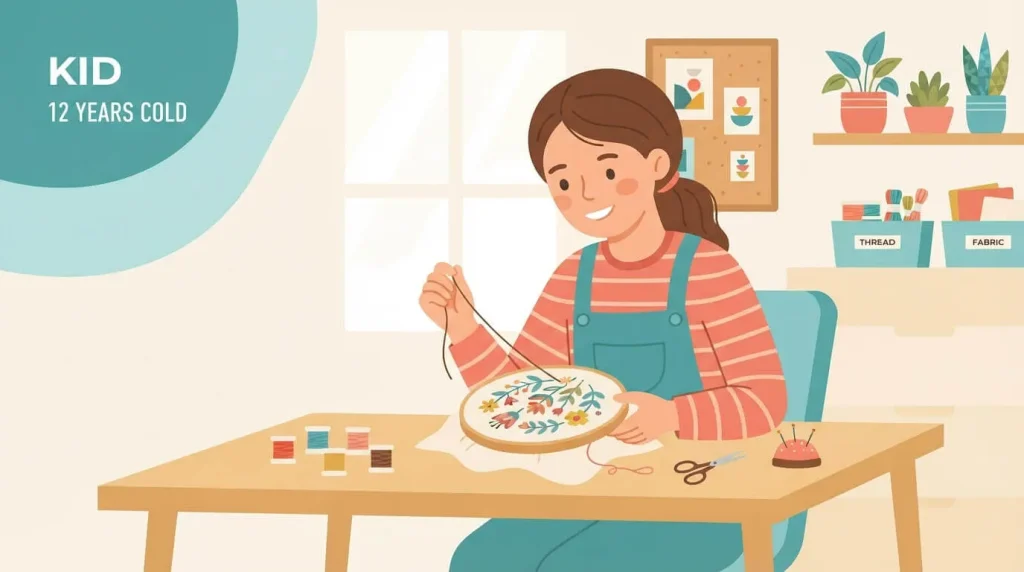
Great kit types: proper crochet or embroidery kits, model-building, beginner woodworking, candle- or soap-making, fashion-design/sketch sets, science-meets-craft (crystal growing, resin with supervision), and pottery or macramé starter kits. Bonus if it teaches a hobby they can continue.
Honest downside: some “9–12” kits are genuinely fiddly and need adult help with hot glue, needles or the oven — read the fine print. And the priciest kits aren’t always the best; a simple embroidery hoop and a good tutorial often beats a flashy branded box.
One-Off Kit or Subscription Box?
The decision most guides dodge:
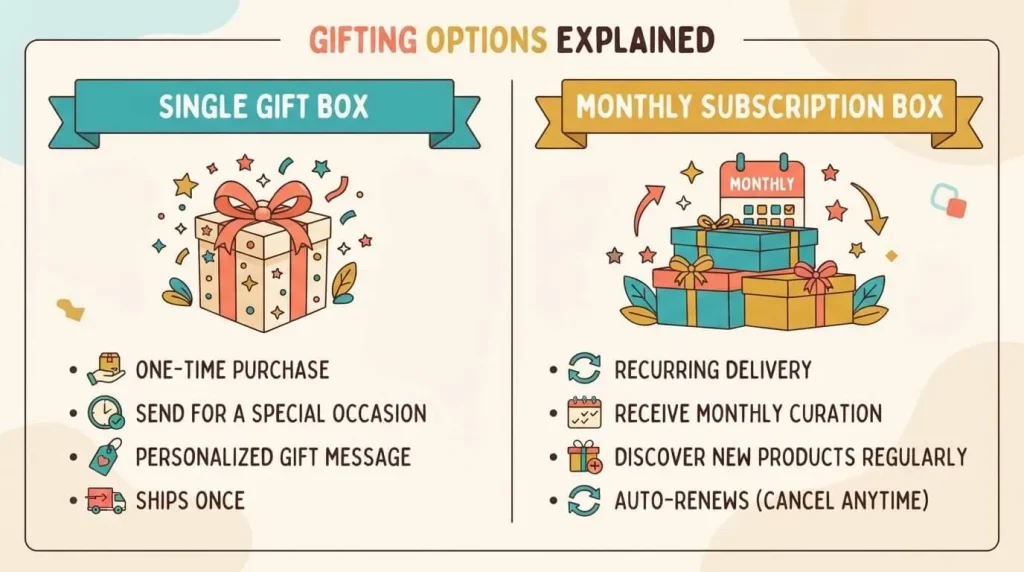
- A one-off kit is best for a specific occasion, a known interest, or a tight budget. You see exactly what you’re getting.
- A subscription box (a new project posted monthly) suits a child who crafts constantly and loves the surprise — and it spreads the cost. The catch: quality varies, boxes pile up if they lose interest, and cancelling can be a faff, so start with a short plan and see if they stay keen.
For a gift, a well-chosen single kit rarely disappoints. For a craft-obsessed kid, a three-month subscription is a lovely trial run.
Buying Red Flags (Skip These)
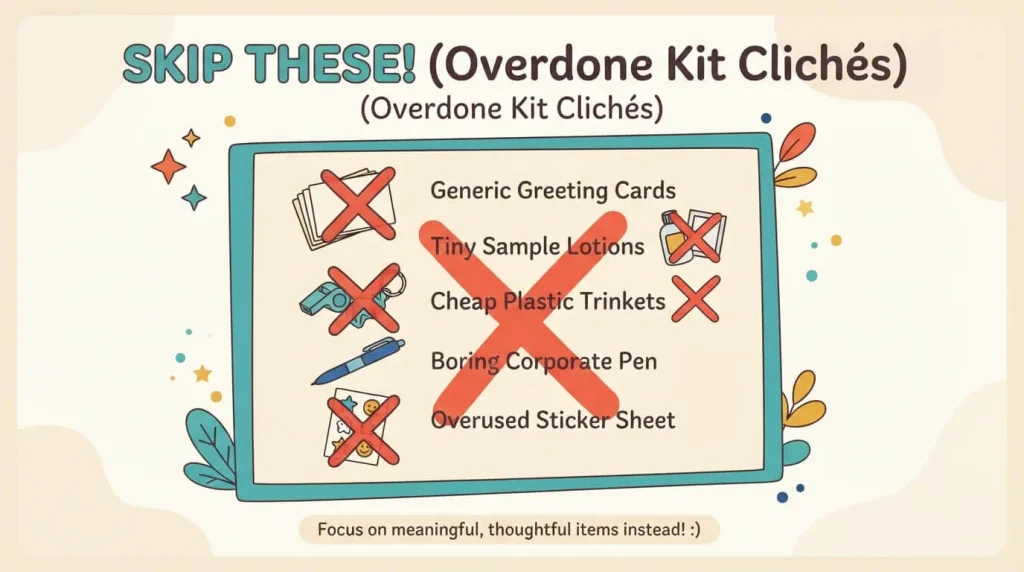
- “Makes 20!” of the same thing — fun once, tedious fast.
- All the fun pre-done — if there’s nothing left to actually make, it’s a toy, not a craft.
- Vague age ranges (“3–12”) — a kit that claims to suit everyone usually suits no one.
- Tiny replenishables — kits that need special refills you can only buy from one brand.
What I Actually Buy
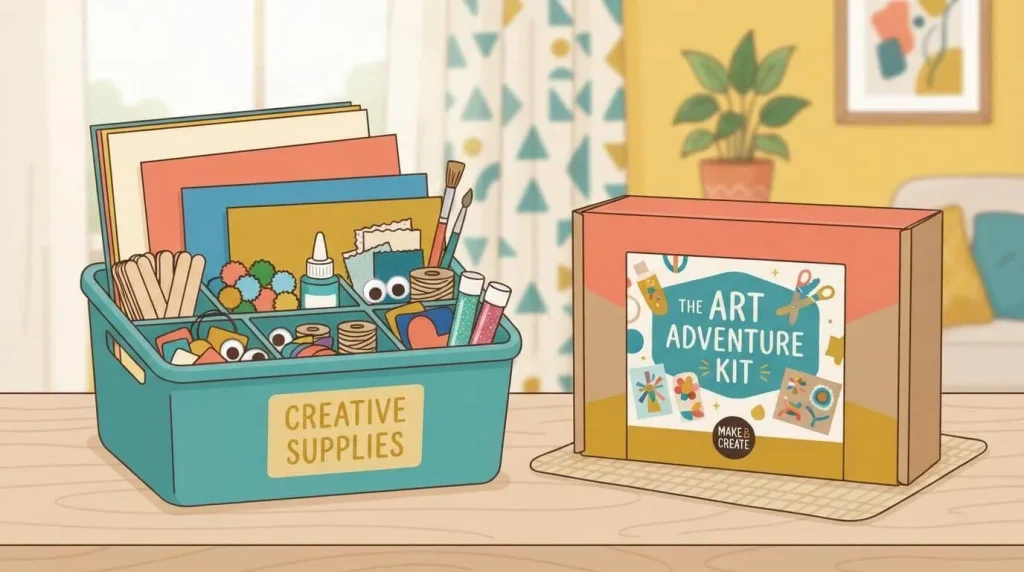
Honestly? For birthdays I buy one good age-matched kit for the “wow,” then back it up with a big tub of open-ended supplies — paper, washable paint, glue, pom-poms, pipe cleaners, stickers — that outlasts any kit by months. The kit is the treat; the tub is what they reach for on a wet Tuesday.
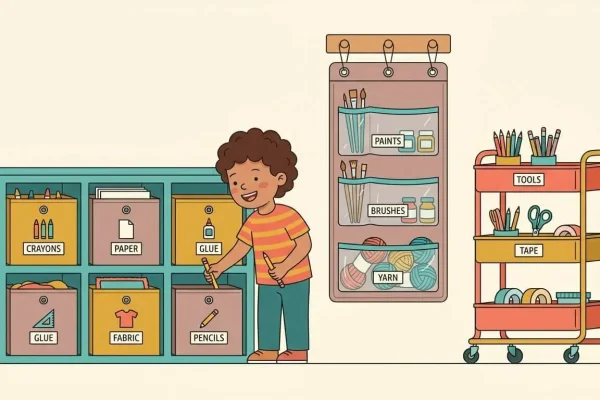
A real example: last year I bought my then-seven-year-old a felt sewing kit — the “makes 6 animals!” kind. She adored the first two, made a slightly wonky fox and a genuinely lovely owl, then completely lost interest by animal three and the rest sat in the drawer. Meanwhile the £5 tub of pom-poms and googly eyes I’d bought as an afterthought got used almost daily for the rest of the year. That’s the pattern in our house, every single time: the fancy kit is a lovely afternoon, the open-ended supplies are the actual value. If you print a lot of your own activities too, a decent setup helps — see our guide to the best printer for printables and our kids craft room storage ideas for keeping it all tidy.
Quick Questions
What are the best craft kits for kids by age?
For 3–5, big peel-and-stick, no-glue kits with several projects; for 6–8, real-skill kits like jewellery, sewing or clay; for 9–12, proper crochet, model-building or candle-making that builds a genuine hobby. Match the kit to their fine-motor stage and attention span.
What craft kit is best for a 4-year-old?
Chunky, forgiving, one-sitting projects — peel-and-stick tissue art, sticker mosaics, dot-marker sets, washable paint. Avoid anything with tiny parts or glue-heavy steps.
Are craft subscription boxes worth it?
For a child who crafts all the time, yes — a new project monthly spreads the cost and delights them. For occasional crafters, a one-off kit is better value. Start with a short plan before committing.
How do I stop craft kits being single-use and wasteful?
Choose kits with several projects, and pair them with a big tub of open-ended supplies you top up. The tub gets used far more than any one boxed kit.
What’s a good craft gift on a budget?
A simple skill kit (embroidery hoop, friendship bracelets, air-dry clay) plus a printout of ideas beats an expensive branded box. The skill lasts; the packaging doesn’t.


Leave a Reply